
Florida’s Unknown Rail Empire History
Northeast Florida’s railroad heritage is basically the story of the ultimate real-life toy layout. Before the mid-1800s, Florida was an isolated & empty frontier. The arrival of the railroad didn’t just connect a few small existing towns, it laid down the footprint for the entire state, creating massive new architectural landmarks and turning the region into a major commercial gateway.
The Cross-State Foundation
The region’s first major rail infrastructure was born out of a strategic geographical challenge. In the mid-1800s, ships sailing from the Northeast to the Gulf of Mexico had to navigate the dangerous, 800-mile journey around the Florida Keys.
To solve this, U.S. Senator David Levy Yulee chartered the Florida Railroad in 1853. The site plan was highly ambitious: a 156-mile cross-state track stretching from the Atlantic deep-water port of Fernandina Beach in the northeast to the Gulf port of Cedar Key. Completed in 1861, it was the longest rail line in the state. Though its rolling stock and facilities were heavily damaged during the Civil War, this route firmly established Northeast Florida as the critical logistics corridor for the entire peninsula.
Flagler and the Gilded Age Aesthetics
While the Florida Railroad focused on freight and geography, the late 19th century brought a radical shift toward luxury passenger travel and monumental architecture, spearheaded by Henry M. Flagler.
Flagler recognized that the existing rail network - a disjointed collection of narrow-gauge shortlines - could not support the high-capacity, heavy passenger trains of the era. He systematically purchased local northeast lines, such as the Jacksonville, St. Augustine & Halifax Railroad, and upgraded them to standard gauge. This allowed wealthy northerners to travel directly into Florida without transferring trains.
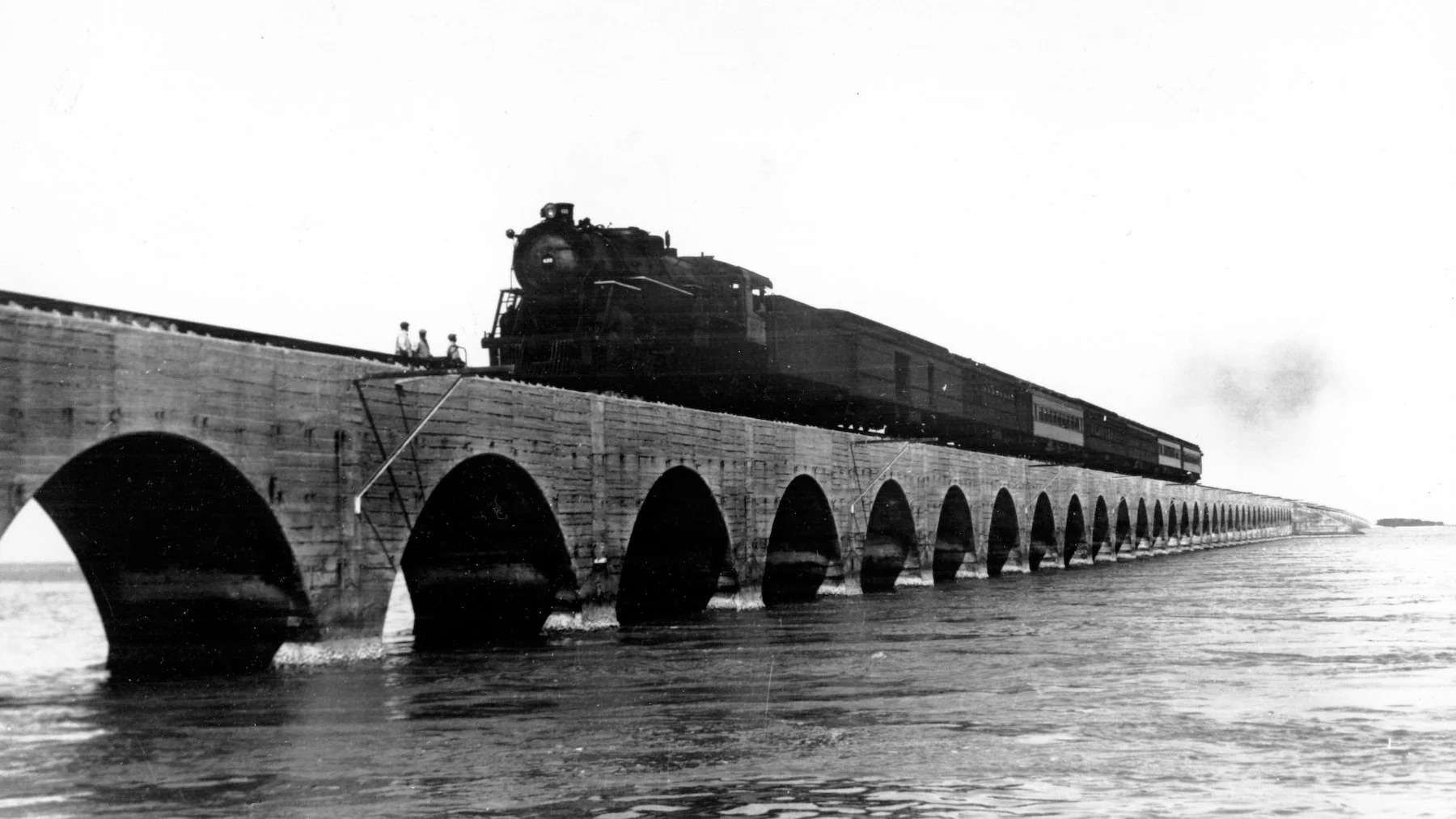
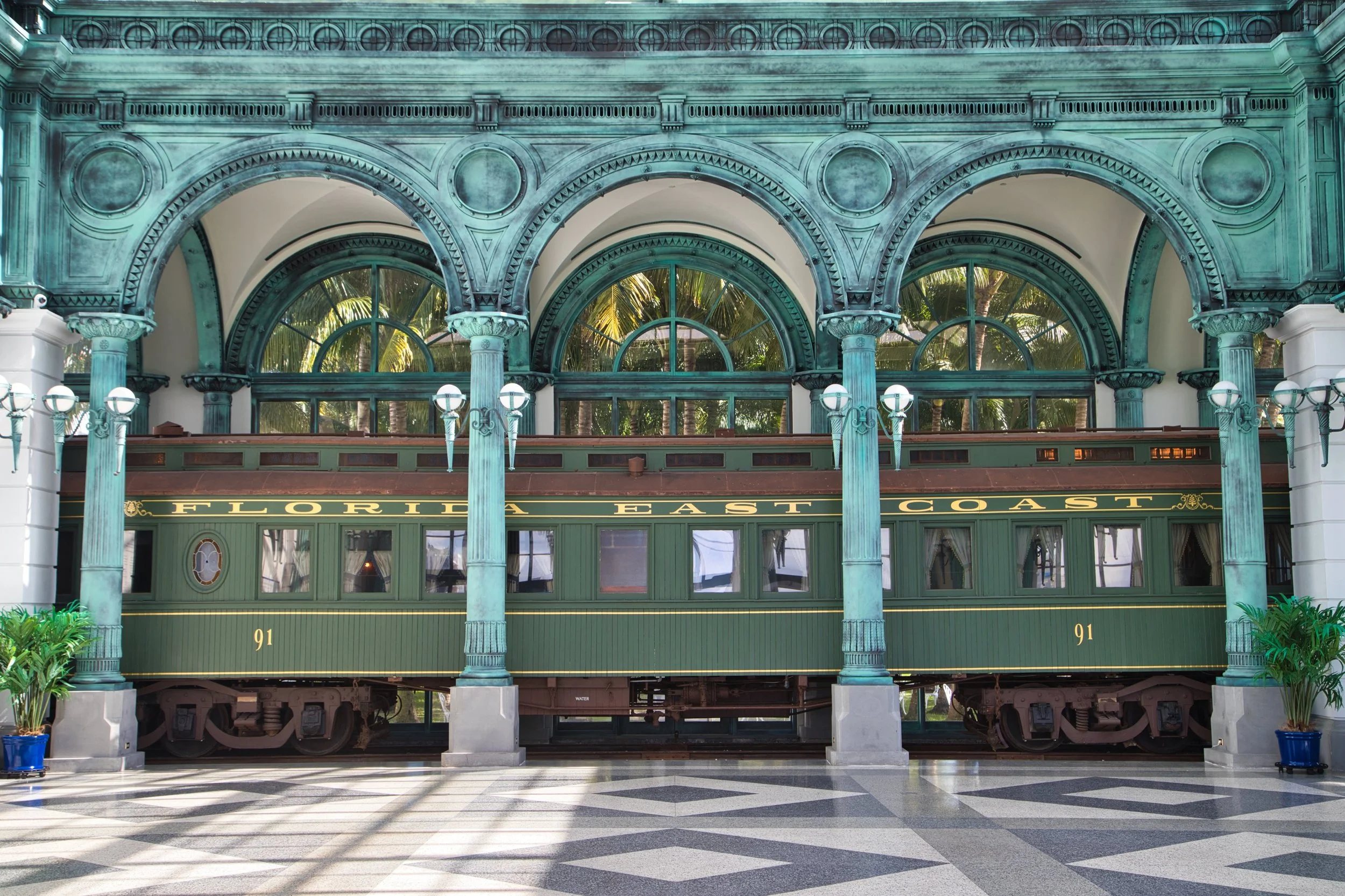
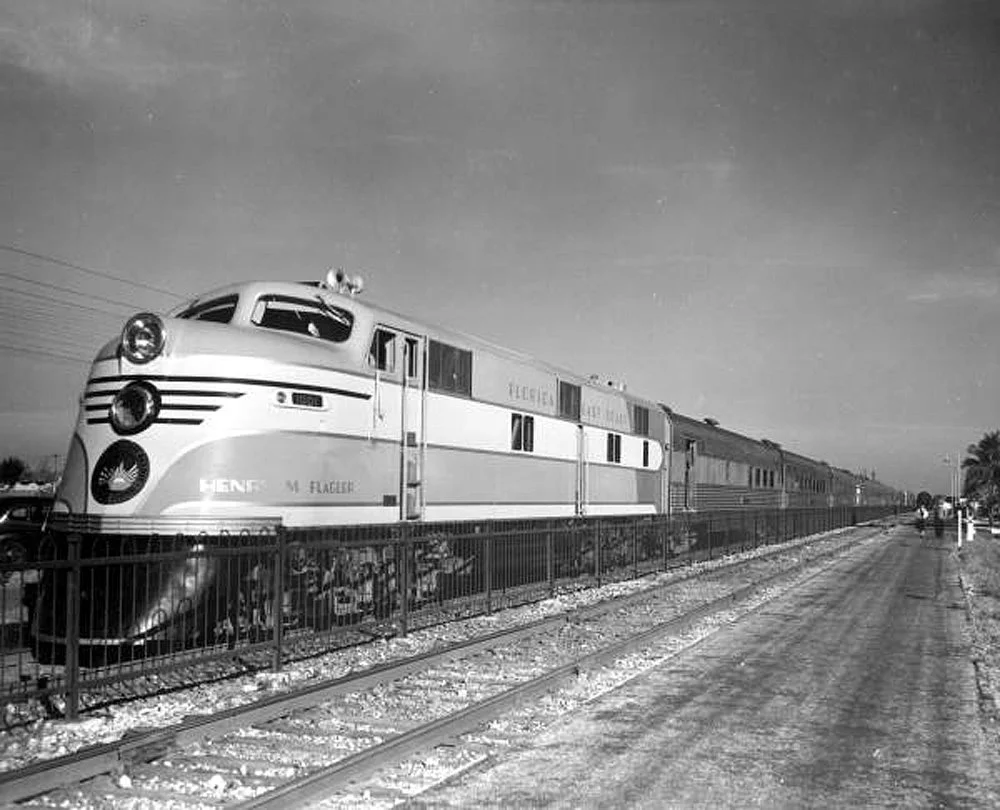
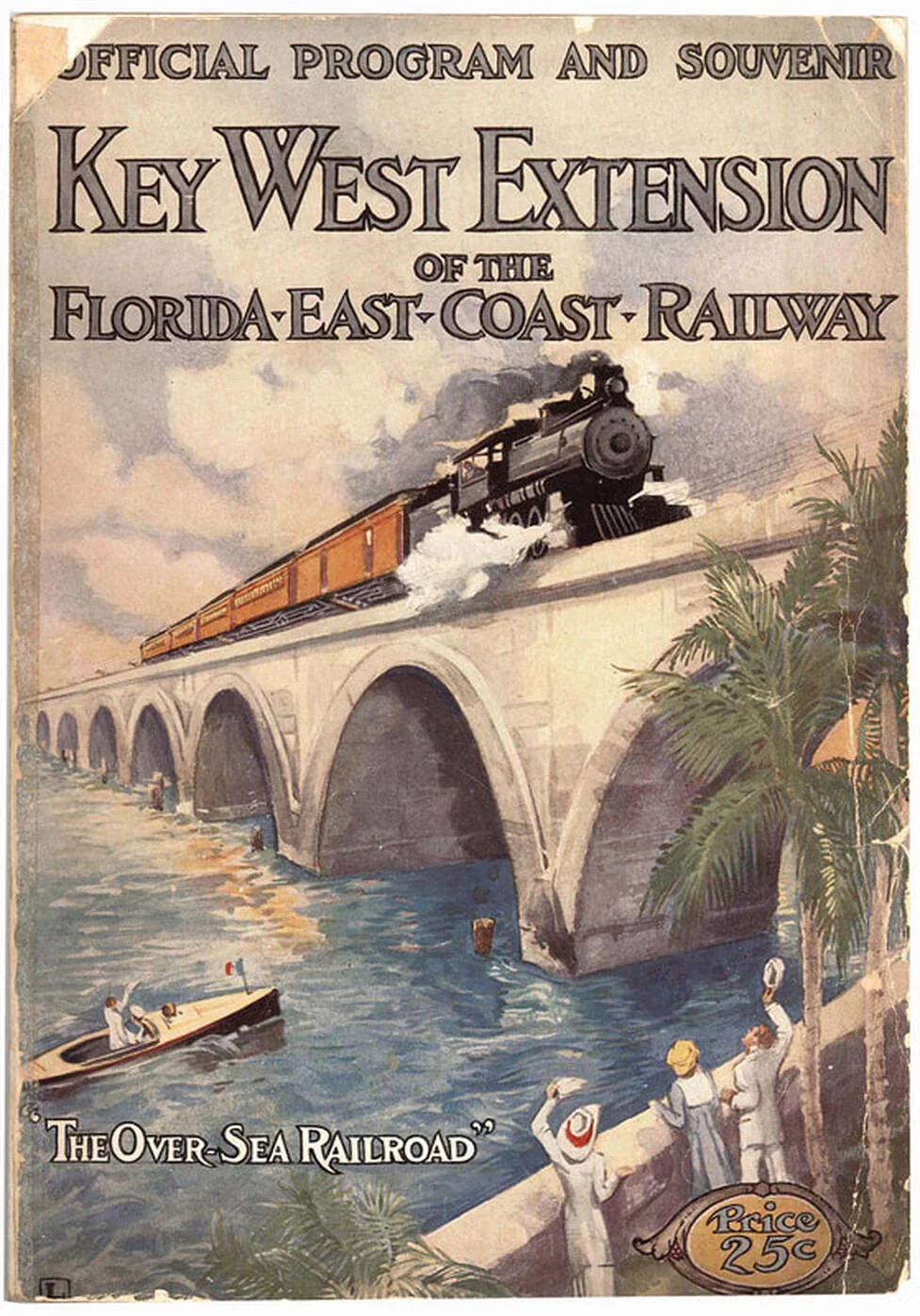
Flagler didn’t just lay track; he built destinations. In St. Augustine, he constructed the Hotel Ponce de León (completed in 1888), a masterpiece of Spanish Renaissance architecture and one of the first major buildings in the country to be constructed entirely of poured concrete. By coupling luxury terminal accommodations directly with the rail lines, Flagler integrated transportation and hospitality into a single, cohesive site plan. His consolidated network was incorporated as the Florida East Coast (FEC) Railway in 1895, eventually stretching all the way to Key West.
The Jacksonville Terminal Hub
As Flagler expanded south, other massive rail syndicates, most notably the Seaboard Air Line and the Atlantic Coast Line, began pushing their trunk lines into Northeast Florida.
Because of its strategic location at the bend of the St. Johns River, Jacksonville emerged as the ultimate choke point. It became the "Gateway to Florida," funneling dozens of northern lines into the state's interior. This necessitated massive terminal infrastructure, culminating in the construction of Jacksonville's Union Terminal in 1919 (now the Prime F. Osborn III Convention Center). At its peak, the terminal handled over 100 trains and 20,000 passengers a day, standing as a grand architectural testament to the golden age of rail.